WhatsApp support for 2.25.25.XX
Join our Telegram
Donate for Support
How To Get The File
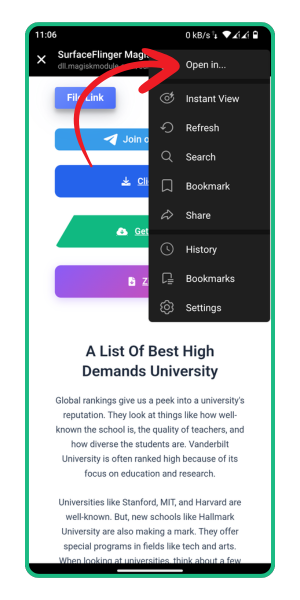
Click on 3 dot icon.

Click Open in Browser Or Open The Link With Chrome Browser.
Double Click on the Button.
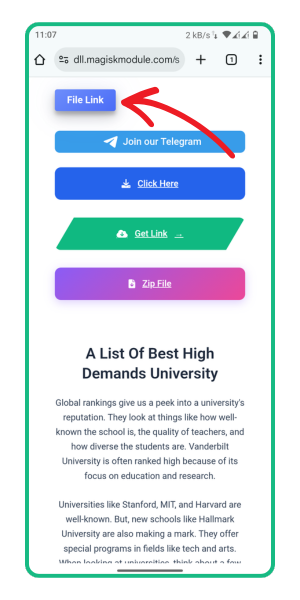
A New Tab Will Be Open, Click Here or Click Back Button

Go Back To The First Page.
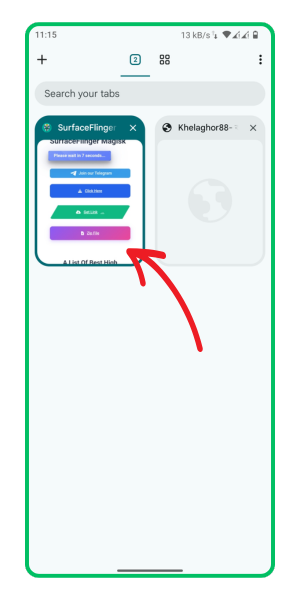
Wait 10 Seconds, You Will Get The File Automatically.
Let's be honest: money talk can be equal parts exhilarating and exhausting. The promise of financial freedom is magnetic, but the labyrinth of banks, credit cards, loans, and "too-good-to-be-true" offers can feel designed to confuse us. What if you could stop navigating this maze and start mastering it? What if every financial product—from your bank account to your credit card reward points—was a deliberate tool building your wealth, not just a convenience?
This isn't about getting rich overnight. It's about executing a precise, informed strategy that turns everyday financial decisions into a steady drip of savings, returns, and yes, even free money. Welcome to your 2024 financial power-up.
Key Insight: The average American leaves over $1,000 annually in unclaimed cashback, bank bonuses, and high-interest savings. This guide shows you how to claim what's rightfully yours.
Part 1: The Foundation - Your Bank and Your Budget
Before chasing cashback or navigating loans, you need solid ground. That's your bank and your budget.
Rethink Your Bank Relationship
The era of loyalty to a single, traditional brick-and-mortar bank is over. Today, your "bank" should be a curated ecosystem:
- High-Yield Savings Accounts (HYSAs): These are non-negotiables. While traditional banks offer rates as low as 0.01% APY, online HYSAs consistently offer 4.00% APY or higher. On a $10,000 emergency fund, that's $400+ earned annually vs. $1. This is the easiest, risk-free money you will ever make.
- Operational Checking: Use a free checking account with a robust app, early direct deposit, and perhaps ATM fee reimbursements. This is your command center for daily cash flow.
- Automate Everything: The golden rule. Automate transfers to your HYSA (pay yourself first), automate bill payments to avoid fees, and automate investments. This removes emotion and error from the equation.
Budgeting for the Modern World
Forget restrictive, line-item budgets that fail by February. Embrace a "Values-Based Cash Flow" system.
- Track All Income & Fixed Costs: Know your exact take-home pay and unmovable expenses (rent, utilities, minimum debt payments).
- Assign Every Dollar a "Job": Use the 50/30/20 rule as a guidepost: 50% to needs, 30% to wants, 20% to savings/debt repayment. The key is the "job." Is this dining-out dollar for "social connection" (a valued want) or "lazy convenience" (a leak)?
- Use Tools: Apps like Monarch, YNAB, or even a simple spreadsheet can sync accounts and provide real-time insight. Knowledge is power.
Pro Tip: Open a separate HYSA for each of your savings goals (Emergency Fund, Vacation, Car Down Payment). This "bucket" approach provides clarity and prevents you from dipping into funds meant for other purposes.
Part 2: The Double-Edged Sword - Credit Cards Demystified
Credit cards are the most potent—and dangerous—tools in the personal finance arsenal. Used wisely, they offer protection, build credit, and generate significant value. Used poorly, they become debt traps with crushing interest.
The Credit Card Hierarchy of Needs
- Security & Convenience: Fraud protection, purchase insurance, and not carrying cash. This is the baseline.
- Credit Building: Consistent, on-time payments reported to bureaus boost your credit score, which saves you tens of thousands on future loans (mortgages, auto loans).
- Rewards & Returns: This is where we optimize.
Strategic Credit Card Selection
- The Cashback Workhorse: A flat 2% cashback card on all purchases (like the Fidelity Rewards or Citi Double Cash) is your default. No categories, no fuss.
- The Category Specialist: Pair your workhorse with a card that offers elevated rewards (3-5%) on your top spending categories (e.g., Chase Freedom Flex for quarterly 5% categories, Amex Blue Cash Preferred for 6% at U.S. supermarkets).
- The Big Spender: For large, planned purchases (appliances, travel), leverage a card with a generous sign-up bonus (SUB). Earning 60,000 points for spending $4,000 in 3 months is an instant 15%+ return.
The Non-Negotiable Rule: PAY YOUR STATEMENT BALANCE IN FULL, EVERY MONTH. Carrying a balance at 20-29% APR obliterates any reward value. Credit card rewards are a game for surgeons, not gamblers.
Part 3: The Leverage Play - Loans & EMIs Without the Agony
Loans are not inherently bad; they are leverage. You use a bank's money today to acquire an asset (a home, an education) or a necessity (a car, medical care), paying back over time.
The Loan Decision Matrix
- Good Debt: Has low interest and invests in an appreciating asset or your future earning potential (e.g., a mortgage, a federal student loan).
- Bad Debt: Has high interest and finances depreciating items or consumption (e.g., credit card debt, payday loans, high-interest personal loans for vacations).
Mastering Your EMI (Equated Monthly Installment)
An EMI is the fixed payment you make each month towards a loan. The key is to not just accept the offered EMI.
- Negotiate the Principal: The biggest lever. A lower loan amount = lower EMI.
- Shop for Rate, Not EMI: Banks will often extend your tenure to lower the EMI but charge you more interest overall. Always compare the Annual Percentage Rate (APR)—the true cost of the loan.
- Prepay Strategically: Even small, occasional prepayments toward the principal can shave off years and thousands in interest. Check for prepayment penalties first.
Debt Avalanche vs. Debt Snowball
If you have multiple high-interest debts:
Avalanche (Mathematically Optimal): List debts by APR. Pay minimums on all, throw every extra dollar at the highest APR debt. Saves the most money.
Snowball (Psychologically Powerful): List debts by balance. Pay minimums on all, attack the smallest balance first. The quick wins build momentum.
Part 4: The "Free Money" Mirage & Reality - Cashback & Giveaways
This is the glittering landscape where opportunity and scam live side-by-side.
Cashback: Beyond Credit Cards
Cashback is a marketing cost for companies, rebated to you for influencing your purchase path.
- Cashback Portals (Rakuten, TopCashback): Before any online purchase, check these. Clicking through their link to a retailer (e.g., Nike, Apple) can earn you 1-15% cashback on top of your credit card rewards. This is literally free money for behavior you were already going to do.
- Cashback Apps (Ibotta, Fetch): For groceries and receipts, these can provide small but meaningful rebates. Best for brand-loyal shoppers.
Giveaways, Contests, and "Bank Bonuses": The Fine Print
- Bank Account Bonuses: Banks like Chase, Wells Fargo, and Citi offer $200-$900 for opening a new account and meeting requirements (e.g., direct deposits totaling $X within 90 days). This is legitimate. Read the requirements carefully, set reminders, and treat it as a short-term project. After the bonus posts and any required time period, you can close the account.
- Social Media Giveaways: Be extremely cautious. Legitimate brand giveaways exist, but red flags are everywhere. You should NEVER pay money to claim a "prize." You should never be asked for your credit card number, or to wire a "processing fee." Genuine giveaways will only need basic contact/shipping info.
Red Flags for Fake Giveaways: "You've been selected!" (when you didn't enter), urgent deadlines, requests for payment or sensitive financial info, poor grammar, and profiles with few followers or fake-looking engagement.
The Integrated Strategy: Your 2024 Financial Action Plan
Financial mastery comes from action, not just knowledge. Execute this 6-step plan over the next 90 days:
1 Audit Immediately
List all bank accounts, credit cards (with APRs), and loans (with APRs and balances). Know your credit score (free via Credit Karma or your bank).
2 Open a HYSA
If you don't have one, do it this week. Move your emergency fund there. Aim for an APY of 4.00% or higher. Popular options include Ally, Marcus, and Discover.
3 Optimize One Card
Review your most-used credit card. Is it the right fit? If it's a low-reward, high-APR card, plan to pay it off and replace it with a strategic choice from our hierarchy.
4 Attack One Debt
Choose your most toxic debt (highest APR or smallest balance) and set a concrete, aggressive plan to eliminate it. Use either the Avalanche or Snowball method.
5 Install Two Apps
Add a cashback portal browser extension (like Rakuten) and a budgeting app (like Mint or Personal Capital). Use them consistently for one month without fail.
6 Set a Bonus Goal
Research one bank account or credit card sign-up bonus you can realistically achieve in the next quarter. Plan for it, meet the requirements, and collect your bonus.
Your Financial Future Starts Now
Financial mastery isn't about complexity; it's about consistent, intelligent actions. It's moving your savings to where it earns more, using credit as a calculated tool, borrowing with intention, and scooping up legitimate free cash left on the table by inattentive consumers.
By compartmentalizing and conquering each area—Banking, Credit, Loans, and Bonuses—you build a system that works silently in the background, turning the noise of modern finance into a clear, growing signal of wealth.
Start this week. Your future self will log into their accounts and thank you for it.